 Licensed Class B Removalist
 Australian Owned, Fully Licensed & Accredited
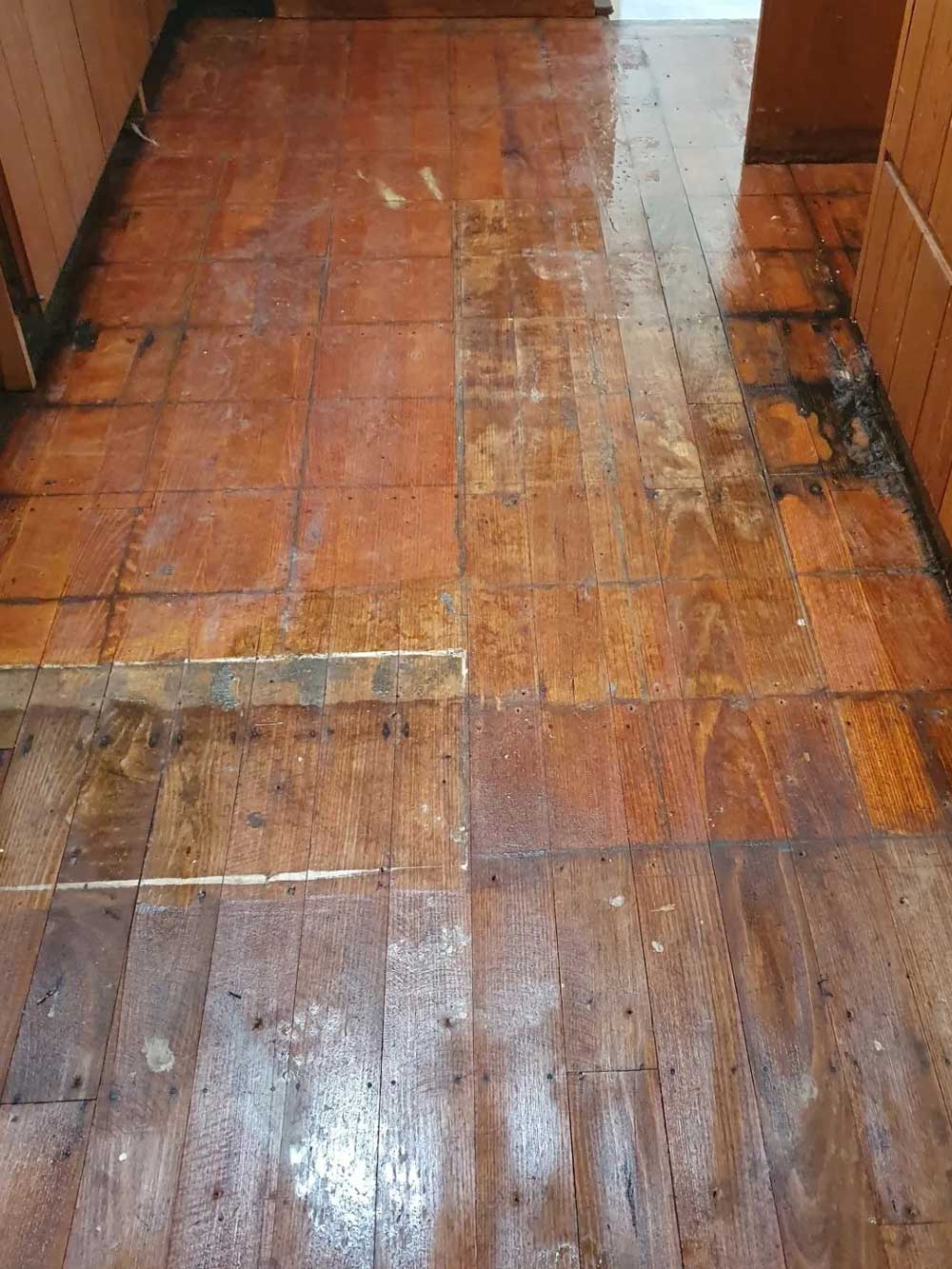
Quick answer: Vinyl floor tiles and vinyl sheet flooring laid in Australian homes before the 1980s may contain asbestos, and so may the black adhesive and some of the underlays beneath them. If your flooring is that old, have it tested before you lift, sand or scrape it, because disturbing it can release asbestos fibres.
Old vinyl tiles are one of the most overlooked sources of asbestos in Victorian homes. They often sit quietly in kitchens, laundries and bathrooms for decades, sometimes hidden under newer floor coverings, until a renovation brings them to light. Here is what to look out for and how to approach the job safely.
Which vinyl floors may contain asbestos
The national Asbestos Product Guide, published by the Asbestos Safety and Eradication Agency, lists asbestos backed vinyl flooring and tiles, along with asphalt tiles that look like vinyl or linoleum. It notes these products could contain roughly 20 to 45 per cent asbestos, used as a binder in the PVC. The guide says they were made before the 1980s and remained in use until about 1990.
In homes, the guide says these products were used in:
- kitchens and laundries
- bathrooms
- cupboard shelving
They were also common in offices, hospitals, government buildings and other high traffic commercial spaces, which is worth knowing if you own or lease an older business premises.
WorkSafe Victoria lists vinyl floor tiles among the common building products that contained asbestos, and Victorian Government guidance says homes built before the mid 1980s are highly likely to contain asbestos products. Asbestos was banned nationally at the end of 2003.
Do not forget the glue and underlay
The tiles themselves are only part of the story. The Asbestos Product Guide warns that paint on adhesives used to stick flooring down may also contain asbestos, particularly if they are black. Underlays made from flat asbestos cement sheeting or asbestos felt were also used beneath some floors.
The guide also points out that newer, non-asbestos flooring may have been laid over the top of older asbestos flooring. So even if your visible floor is modern, there may be an older layer underneath. This is common in homes that have been renovated more than once.
Is intact vinyl flooring dangerous?
Asbestos vinyl tiles are a non-friable product. The asbestos is bound into the material, and when the tiles are intact and in good condition, the risk of fibres being released into the air is low. Many homes have old tiles that have been sitting safely for years under furniture and newer coverings.
The risk comes from disturbing them. The Asbestos Product Guide specifically warns against sanding or scraping this flooring, as that can release fibres. Other activities that can cause problems include:
- grinding or sanding the floor to prepare for new flooring or polished boards
- scraping off tiles and old adhesive with power tools
- breaking up tiles that are cracked or brittle
- cutting through old sheet vinyl or underlay during kitchen or bathroom work
Worn tiles with damaged edges also need care, as the guide notes asbestos fibre bundles can be visible at broken edges.
Test before you lift
You cannot tell whether a vinyl tile or its adhesive contains asbestos just by looking at it. Victorian Government guidance says only testing of a sample by a NATA accredited laboratory can confirm it, and recommends that a competent person collects the sample.
Before you start pulling up an old floor, our asbestos testing service can sample the tiles, adhesive and any underlay. If you are planning a larger renovation, an asbestos inspection can check other likely materials at the same time, such as fibro wall linings and eaves.
Your options if the floor contains asbestos
If testing confirms asbestos, you generally have a few choices:
- Leave it in place. Intact tiles in good condition can often be left where they are, as long as they are not going to be disturbed.
- Cover it. In some cases new flooring can be laid over the top without sanding or drilling the old layer. Get advice first, and keep a record so future owners and trades know it is there.
- Have it removed. If the floor needs to come up, a licensed removalist can lift the tiles and adhesive using controlled methods and dispose of the waste at a site authorised by EPA Victoria.
In Victoria, any removal of more than 10 square metres of non-friable asbestos must be carried out by a licensed removalist, and a kitchen or living area floor can easily go over that. Flooring is often removed as part of a wider renovation, so our asbestos kitchen and asbestos bathroom services can take care of flooring along with wall linings and other materials in the same room.
Common questions
How do I know if my vinyl floor tiles contain asbestos?
Age is the first clue, as vinyl flooring laid before the 1980s may contain asbestos. However, the only way to be certain is to have a sample tested by a NATA accredited laboratory, ideally collected by a competent person.
Can the black glue under old tiles contain asbestos?
Yes. The national Asbestos Product Guide notes that adhesives used to fix flooring may contain asbestos, particularly black ones. Have the adhesive tested along with the tiles before any scraping or sanding.
Can I lay new flooring over old asbestos tiles?
Sometimes, as long as the old tiles are intact and are not sanded, ground or drilled. Get professional advice first, and keep a record that asbestos flooring remains underneath.
This article is general information only. For advice about your property, speak with a licensed asbestos professional.
Aussie Asbestos Solutions is a licensed, Australian owned team with over 25 years of experience helping Victorian homeowners, landlords and businesses. Before you lift that old floor, get a free quote or call 0410 336 410.
