 Licensed Class B Removalist
 Australian Owned, Fully Licensed & Accredited
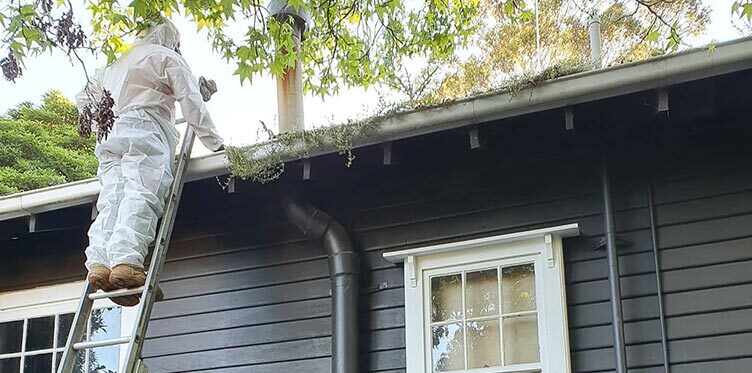
Asbestos Flue Removal
Flue pipes found on homes built in the mid 20th century more or less served the purpose that they do now; acting as a crucial component of home heating installations such as the fireplace or water heater. One of the key differences, though, is that many flues of that time contained asbestos, whether it was bonded asbestos in the cement pipes, or friable asbestos rope gaskets.
If you’re considering replacing your fireplace with a gas or electric heater, or want to upgrade your water heating system, you don’t want to potentially become exposed to this asbestos, nor should the installer be the one to remove it. Contact the trained specialists in asbestos flue removal in Melbourne at Aussie Asbestos Solutions and ensure you and your family remain safeguarded from any harmful effects.
Where asbestos is found in flues and heaters
Many Melbourne homes built or renovated before the mid 1980s still have asbestos cement flue pipes running from a gas space heater, wall furnace or hot water service up through the ceiling and out of the roof. These grey, pipe-like sections often look harmless, but they can release fibres once they crack, weather or are cut. We regularly find asbestos in:
- Flue pipes running through ceiling spaces and roof sheeting
- Flue cowls and caps on the roof
- Heat shield sheeting on walls behind old heaters
- Rope seals, gaskets and linings inside older heaters and furnaces
- Offcuts and old flue sections left in roof spaces from past renovations
Flues are a common find in post-war homes around Frankston, Dandenong and Chelsea, where original heating was often never fully removed. If your flue sits next to an asbestos ceiling or roof, we can plan both jobs together with our asbestos ceiling removal and asbestos roof removal services.
Our asbestos flue removal process
Flue work usually happens at height and inside the ceiling, so careful planning matters. Here is how we approach a typical job:
- Check and confirm: we inspect the flue and, if it is unclear what it is made of, arrange asbestos testing before work begins.
- Make it safe: any gas appliance should be disconnected by a licensed gas fitter first, and we agree access to the roof and ceiling with you.
- Set up the work area: we isolate rooms, lay heavy plastic sheeting under the ceiling penetration and put up warning signs.
- Remove without breaking: sections are wetted down and taken out whole wherever possible, rather than cut or snapped.
- Wrap and label: every piece is double wrapped in heavy polythene, sealed and labelled as asbestos waste.
- Clean up: we clean the area with a HEPA filtered vacuum and wet wipes, then remove our sheeting as waste.
- Dispose and document: waste goes to a facility authorised to accept asbestos, and we can arrange a clearance certificate.
Signs your flue needs attention
Old flues are easy to forget because most of their length is hidden in the roof space. Watch for cracked or crumbling sections where the flue meets the ceiling, rust stains or water leaks around the roof penetration, a loose or missing cowl, and dust or debris falling from the ceiling vent. If you notice any of these signs, avoid poking or patching the area and keep the room clear until it has been checked. A quick assessment tells you whether the flue can stay for now or should be removed before it deteriorates further.
What affects the cost
Every flue is a little different, so we give a fixed written quote after we have seen the job. The main things that shape the price are:
- The length of the flue and how many sections pass through the ceiling and roof
- Roof pitch, height and safe access, including whether edge protection is needed
- The condition of the material and whether any friable seals or linings are involved
- Whether heat shields, heaters or nearby sheeting also need removing
- The volume of waste and whether air monitoring or a clearance inspection is required
Your safety and compliance
WorkSafe Victoria rules say a licensed removalist must remove non-friable asbestos when the area is more than 10 square metres, and any friable asbestos must be removed by a Class A licence holder. Even small flues are best handled by professionals because they are often damaged, weathered or located in tight roof spaces where fibres can spread through the home.
Under EPA Victoria requirements, asbestos waste must be securely packaged and taken only to a landfill or facility authorised to receive it. It must never go in household, recycling or green waste bins. For commercial and industrial jobs, the waste movement is recorded through EPA’s Waste Tracker system. We are registered with the EPA in Victoria and handle this paperwork for you.
We work across Melbourne and the south east, including Mornington and Brighton. Get a free quote for your asbestos flue removal today.
Asbestos flue removal: common questions
How do I know if my heater flue contains asbestos?
You cannot tell by looking alone. Grey cement style flues installed before the mid 1980s commonly contain asbestos, but the only way to be certain is to have a sample tested by a NATA accredited laboratory. We can arrange asbestos testing so you know exactly what you are dealing with before any work or heater replacement begins.
Can I replace my heater before the old flue is removed?
It is best to remove the asbestos flue first. Heater installers are often unable to work around old asbestos cement flues, and cutting or drilling nearby can release fibres. Have a licensed gas fitter disconnect the old appliance, let us remove the flue safely, and then your new heater can be installed into a clean opening.
Will you patch the hole in the roof and ceiling?
We make the area safe and weathertight where needed after removing the flue, and we can discuss the best way to handle the opening when we quote. Many clients have their heating installer or a roofer finish the permanent patch, especially when a new flue is going into the same spot.
Is it safe to stay home while the flue is removed?
In most cases, yes. We isolate the work area, seal off the rooms below the ceiling penetration and keep people and pets out until the space is cleaned. We will talk you through which rooms to avoid and for how long, so your household can plan around the job with minimal disruption.
Specialists In Safe Asbestos Flue Removal
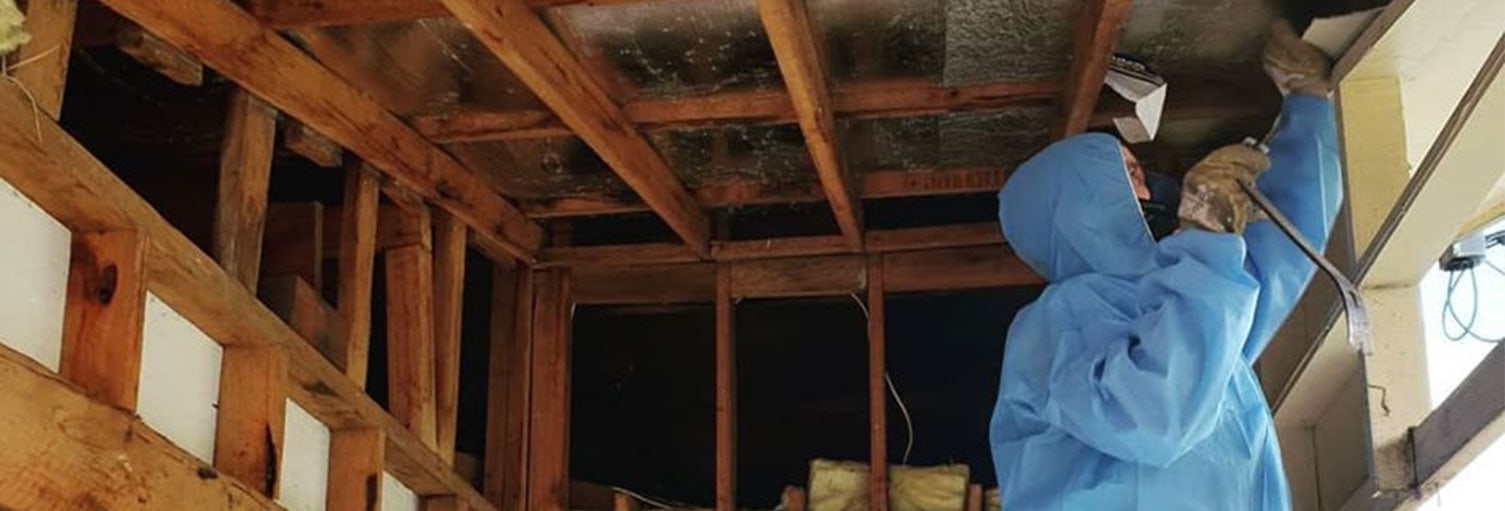
Aussie Asbestos Solutions has been the go-to name for asbestos removal in Melbourne for many years now. We strongly recommend leaving any asbestos removal task to trained and experienced professionals, and our considered and meticulous approach to the process ensures that all traces of the substances are removed and cleared from your property. All parts of the removal process also follow strict legal and environmental regulations so you can feel assured that no one’s health or safety is being put at risk.
We provide services for residential owner-occupiers, landlords and commercial property in Melbourne, the Bayside region and the Mornington Peninsula. For more information on asbestos flue removal, or to book our services, get in touch with Aussie Asbestos Solutions today. Call 0410 336 410 or contact us online now.
We safely remove asbestos in accordance to government guidelines
Get a Free Quote
Protect the Health And Wellbeing Of Your Family, your Employees And Yourself With Residential Asbestos Removal Services From Aussie Asbestos Solutions.
 0410 336 410

Removal · Testing · Disposal
Get a free quote
Tell us what you have found and where. Our licensed team will get back to you to talk it through and arrange a quote.
- Fully licensed and accredited, Australian owned
- Registered with EPA Victoria for safe disposal
- Over 25 years of residential and commercial work
- Based in Chelsea Heights, covering Melbourne and the Peninsula
Prefer to talk?
0410 336 410
Licensed Class B removalist
Your details
Fields marked * are required. Photos help us quote (under 2MB).
Loading the form…
Your details are only used to respond to your enquiry. This form is protected by reCAPTCHA and the Google Privacy Policy and Terms of Service apply.
Thanks, we have your enquiry
Our team will be in touch soon. If it is urgent, call 0410 336 410.