 Licensed Class B Removalist
 Australian Owned, Fully Licensed & Accredited

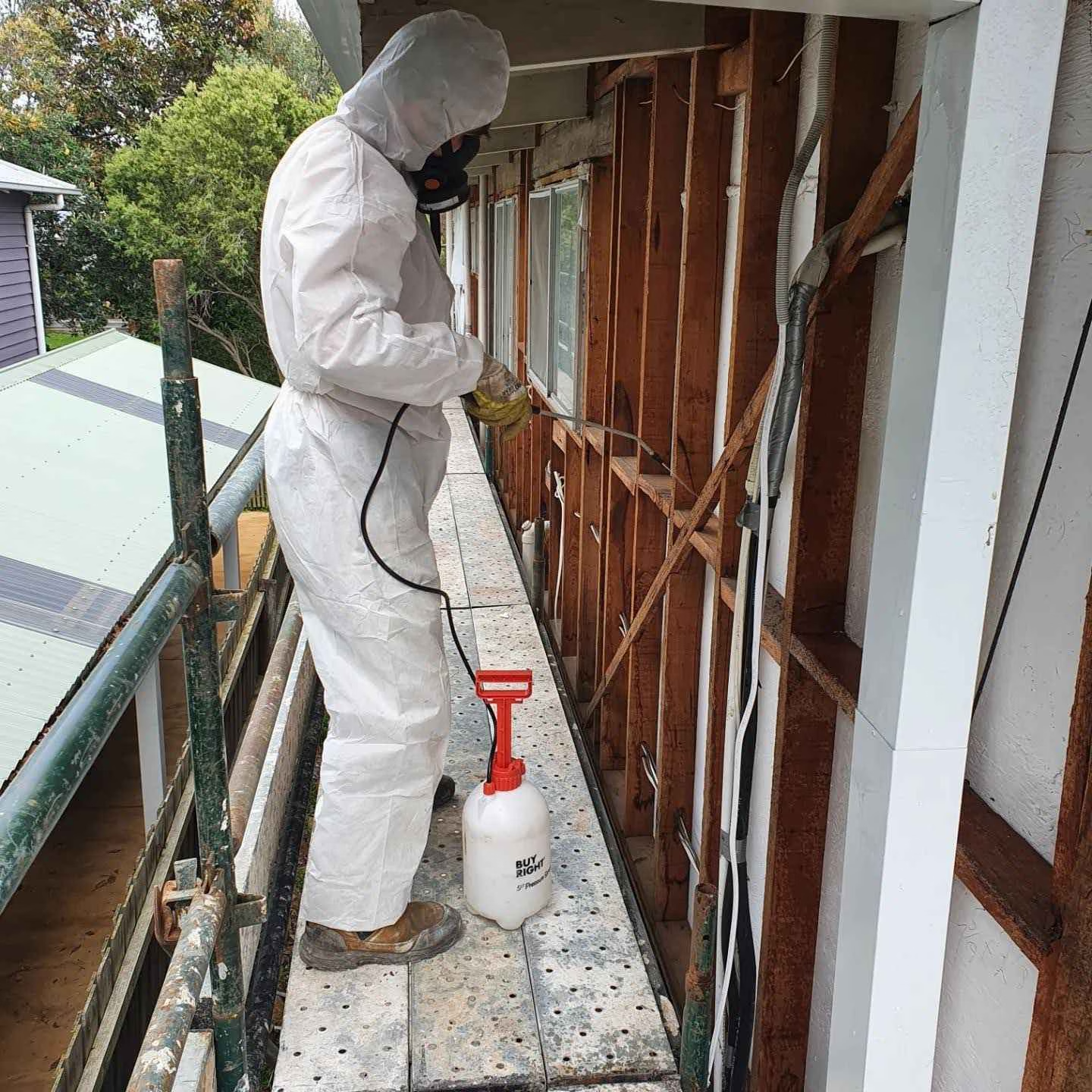
Older homes in Clayton may contain asbestos in more places than people expect, especially where original building materials remain in place.
Before starting a renovation, it is worth considering whether asbestos removal may be needed in the areas that will be cut, drilled, stripped back or demolished. The main concern is not simply whether asbestos is present, but whether the work could disturb a material that contains it.
Walls, ceilings, wet areas, flooring, eaves and other older building products may all need to be checked before work begins. Identifying these areas early can help avoid unexpected delays once builders and other trades are already on site.
Wet Areas Are Often One of the First Places to Check
Bathrooms, laundries and kitchens can contain older sheet materials behind tiles, around splashbacks or in wall and ceiling linings.
These areas are commonly renovated because plumbing layouts, cabinetry, and wall finishes often need to be changed. That means older materials can be disturbed early in the job.
If a bathroom is being taken back to the studs or a kitchen wall is being removed, it makes sense to identify suspect linings before demolition begins.
The same applies to laundries, where older wall sheets may still sit behind newer finishes.
A room may look modern on the surface while older material remains underneath.
Walls and Ceilings Can Hide More Than the Visible Finish
Wall and ceiling work can uncover older building materials that were covered during previous renovations.
This matters when removing internal walls, opening up living areas, replacing ceilings or creating new doorways.
A newer coat of paint or plaster finish does not necessarily mean everything behind it is recent.
Older sheet products can remain in place for decades, particularly where previous renovations added new finishes over existing materials rather than removing them completely.
That is why a renovation plan should consider what lies behind the visible surface, not just what is visible in the room.
External Areas Need the Same Attention
Asbestos checks should not stop at the front door.
Eaves, garage linings, fencing, roof-related materials and other external sheet products can also be relevant when an older property is being changed.
Extensions are a good example.
Adding a room, changing the roofline or creating a new opening may involve cutting into existing external materials. If those products have not been identified in advance, the project can stop as soon as anything suspicious is uncovered.
Garage conversions can create the same issue. What starts as a simple internal fit-out may involve old wall or ceiling linings that need to be assessed before they are removed.
For Clayton homeowners planning larger renovations, checking the exterior at the same time as the inside can make the project easier to stage.
Flooring Can Be Missed Until Demolition Starts
Older flooring materials are easy to overlook because they may be hidden under carpet, tiles or floating floors.
When those newer finishes are lifted, older vinyl products, backing materials or adhesives may appear underneath.
This can create an unexpected problem partway through the renovation.
If the floor is going to be stripped back completely, the older layers should be taken into account before work begins. This is particularly important in kitchens, bathrooms, laundries and other areas that may have been updated more than once over the years.
If an unfamiliar material is uncovered during demolition, work in that area should stop until it has been identified.
Guessing based on appearance is not a reliable approach.
Roofing, Flues and Older Service Areas May Need Separate Planning
Some parts of an older home can require more planning because they are harder to access or connected to other building work.
Roofing products, old heater flues and areas around previous hot water or heating systems can fall into this category.
These sections may become relevant during roof replacement, chimney changes, heater removal or larger extensions.
Because the work can involve height, confined access or several trades, identifying any asbestos issue early can reduce disruption later.
It also helps separate specialist removal work from the general construction stage.
That can be much easier than discovering a problem once roofing, electrical, or plumbing work is already underway.
Testing Should Happen Before Suspect Material Is Disturbed
If there is uncertainty about an older building material, it is better to confirm its identity before cutting or removing it.
Many asbestos-containing products can look similar to non-asbestos materials. Age and appearance can raise suspicion, but they cannot confirm what a product contains.
Testing can help establish which areas need specialist handling and which can proceed normally.
This is especially useful for renovations where only part of the home is changing. Rather than treating the whole property as the same, the assessment can focus on the rooms and materials that will actually be disturbed.
That makes planning more practical and can help prevent work from stopping unexpectedly.
Planning Asbestos Removal in Clayton Before Renovation
If you are renovating an older property in Clayton, it helps to identify suspect materials before demolition starts.
Aussie Asbestos Solutions provides asbestos testing and removal services in Clayton for renovation work involving areas such as walls, ceilings, bathrooms, kitchens, flooring, eaves, roofing, garages, fencing and older flues.
If you already know which rooms or building sections are being changed, sharing that scope early can help determine what should be assessed first and whether removal is needed before other trades begin.
For renovation projects, the goal is straightforward: identify the issue early, deal with it safely and keep the rest of the work moving.
