 Licensed Class B Removalist
 Australian Owned, Fully Licensed & Accredited

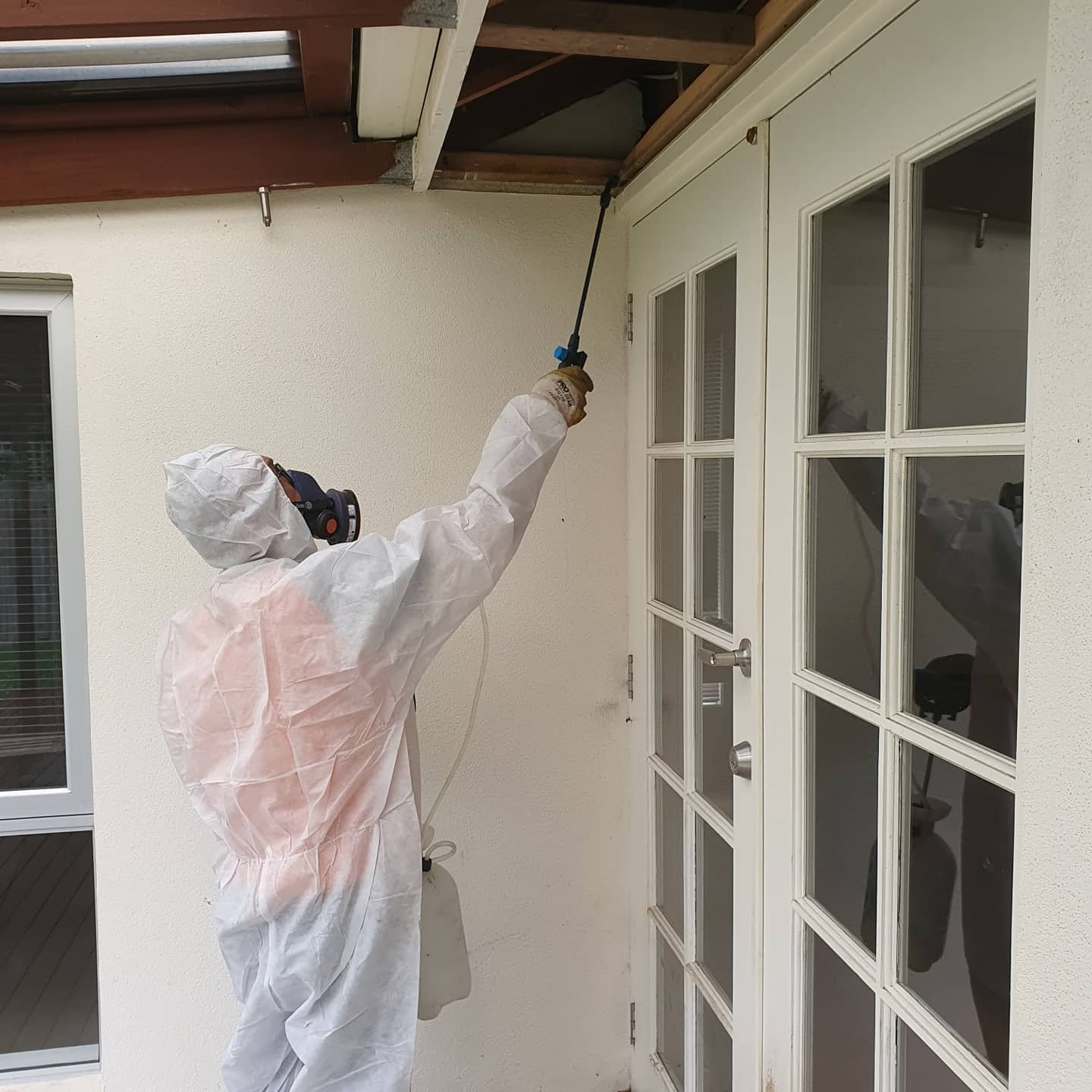
Asbestos testing should be considered before renovation work starts if older or unknown building materials are likely to be drilled, cut, sanded, removed or exposed.
For an older Clayton home, the best time to investigate suspect materials is during the planning stage. Waiting until demolition has started can cause unnecessary delays and may leave builders or other trades dealing with materials that have not yet been identified.
Testing early gives homeowners a clearer idea of which parts of the project can proceed normally and whether asbestos removal needs to happen first.
Test Before Any Material Is Cut or Removed
The safest point to test is before renovation work begins, when older building products are not being disturbed.
That includes work such as removing wall or ceiling sheets, pulling up flooring, drilling for plumbing or electrical services, cutting new openings, or stripping a bathroom or kitchen back to the frame.
Even relatively small jobs can expose material that has been in place for decades.
The issue is not the size of the renovation. It is whether the work will disturb something whose composition is unknown.
If there is doubt about an older product, identifying it before tools are used is much easier than stopping the job after it has already been broken or damaged.
The Age and Renovation History of the Home Matter
The property’s age can help determine whether testing should be part of early planning.
Homes built or renovated during periods when asbestos-containing building products were commonly used may still contain original materials, even if parts of the property have since been updated.
A renovated bathroom, for example, may have newer tiles installed over older wall sheeting. Modern flooring can sit over earlier layers. New cabinetry may hide sections of original wall lining.
This means a room that looks relatively recent may still contain older products underneath.
If the history of previous renovations is unclear, it is better to base the decision on what will actually be disturbed rather than assume that newer finishes mean everything behind them is also new.
Damaged or Exposed Materials Should Be Checked Before Work Continues
Testing becomes more important when an older material is already cracked, broken, deteriorating or exposed.
Renovation work can reveal previously hidden sections around ceilings, walls, service penetrations or floor edges. If an unfamiliar material appears during the project, work in that immediate area should stop until it has been properly assessed.
Continuing to drill, break or pull the material apart can make the situation more difficult to manage.
This is particularly relevant during strip-outs, where several layers of construction may be removed quickly, and older products can appear without warning.
The practical approach is simple: if something unexpected is uncovered and its composition is uncertain, confirm what it is before continuing.
Testing Should Be Done Before the Work Schedule Is Locked In
Asbestos testing can affect the order of a renovation, so it is better to complete it before final dates are set for demolition and rebuilding.
If a result confirms asbestos-containing material, that area may need specialist removal before other trades can proceed.
Knowing this early can help with:
- sequencing demolition and construction
- organising access for builders and trades
- planning waste handling
- allowing time for removal where required
- reducing the chance of the project stopping unexpectedly
This becomes more important when several trades are booked close together.
For Clayton homeowners coordinating kitchen, bathroom, extension or whole-house renovations, identifying specialist work first can make the rest of the project easier to organise.
Focus Testing on the Areas the Renovation Will Disturb
Testing does not always need to start with every part of the property.
If only one section of the home is being renovated, the first priority should be the materials that will actually be affected.
A bathroom renovation may involve wall linings, ceiling sheets, flooring and areas around plumbing. A kitchen project may involve splashback areas, walls, flooring and new service penetrations. An extension can also bring external cladding, eaves, and roof-related materials into scope.
This targeted approach helps keep the assessment relevant to the work being planned.
Testing Should Come Before Removal Decisions
A suspect material should be identified before deciding how it needs to be handled.
Appearance alone is not reliable enough because asbestos-containing and non-asbestos materials can look very similar.
Testing provides clearer information about what is actually present. That allows the next step to be based on the material itself rather than assumptions.
If asbestos is confirmed, the required removal can be planned before renovation continues. If it is not present, unnecessary specialist work can be avoided.
This is why testing is most useful as a planning tool, not just something arranged after a problem appears.
Planning Asbestos Testing in Clayton Before Renovation
If you are preparing to renovate an older Clayton property, arranging testing before demolition, drilling or strip-out work begins can help identify any areas that need specialist attention first.
Aussie Asbestos Solutions provides asbestos testing and removal services in Clayton for renovation projects involving older walls, ceilings, wet areas, flooring, eaves, roofing and other building materials.
If you already have renovation plans or know which rooms will be changed, sharing that scope can help focus the assessment on the parts of the property most likely to be disturbed. Where asbestos is confirmed, any required removal can be organised before other work proceeds.
