 Licensed Class B Removalist
 Australian Owned, Fully Licensed & Accredited
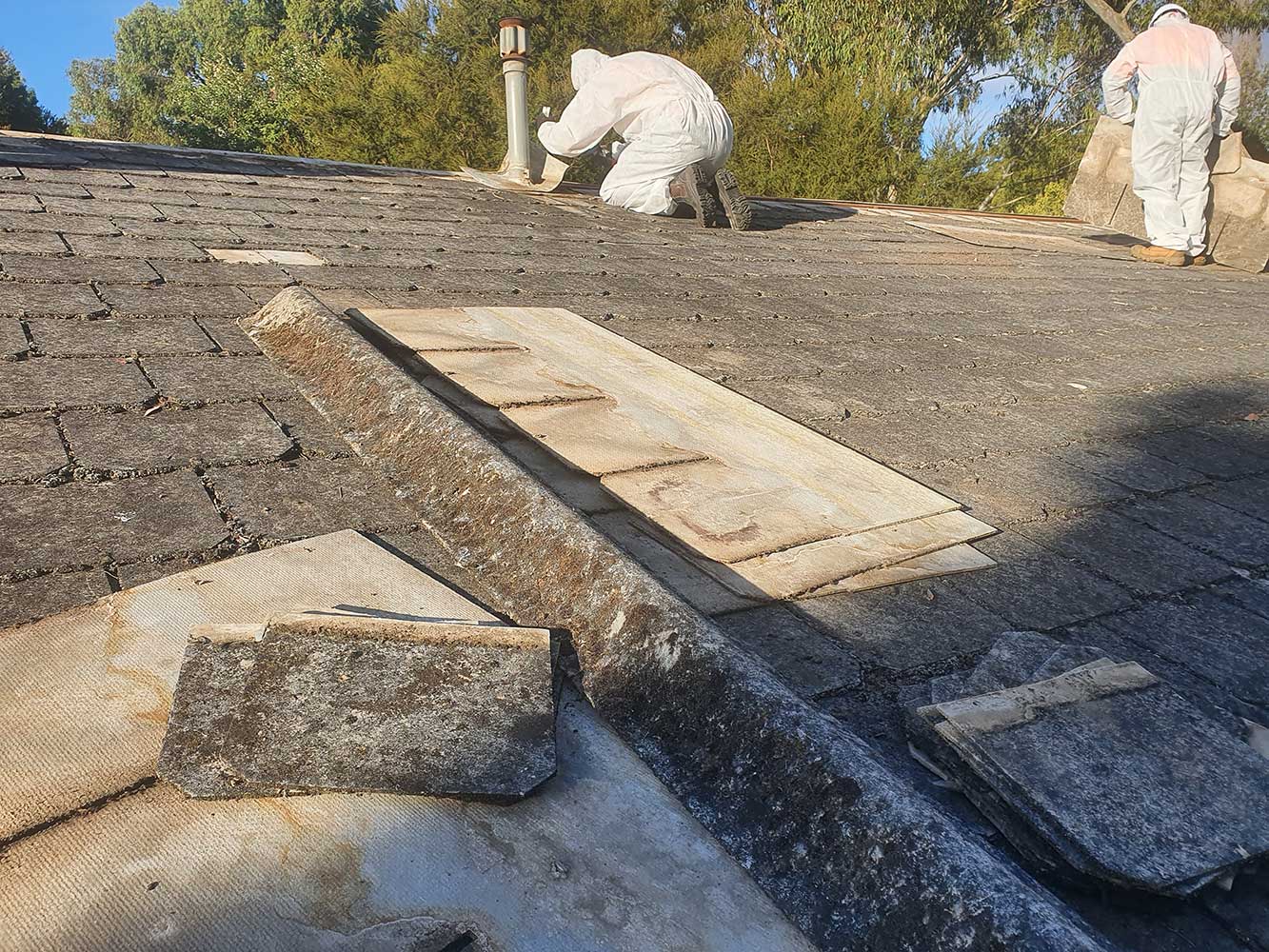
Many older Australian homes contain building products that were commonly used decades ago. Some of these products were valued for their strength, durability and resistance to heat, but certain materials used during that period may contain asbestos.
Before starting any repairs, renovations or roof work, it is worth knowing what materials are already there. Finding potential issues early gives homeowners a clearer idea of what needs to be done and helps avoid disturbing materials that may require specialist handling.
Why Older Roofs May Need Closer Attention
Asbestos was used in many construction products throughout the 20th century, including some types of cement-based roofing. Its durability made it popular for residential and commercial buildings before its health risks became widely recognised.
This does not mean every older property has a problem. Some roofs may remain in good condition for many years. However, buildings from certain periods may need extra care when repairs, alterations or replacements are being considered.
The age of the property can be a useful starting point, but it does not confirm what products were used.
Common Roofing Products That May Require Assessment
Some older roofing products were made using a combination of cement and asbestos fibres. These products were often chosen because they were strong, affordable and suitable for different weather conditions.
Possible examples may include:
- Corrugated cement roof sheets
- Flat cement panels
- Older roof cladding products
- Certain roofing components used around older structures
A visual check can sometimes raise questions, but it cannot confirm whether asbestos is present. Some materials may look alike while being made from completely different products.
Look for Changes in the Condition of the Roof
The condition of a roof can influence how carefully it should be approached. A roof that has remained intact for many years may require a different response from one showing visible deterioration.
Signs that may require further assessment include:
- Cracked sections
- Damaged edges
- Weathering or surface breakdown
- Loose pieces
- Areas affected by previous repairs
Seeing these signs does not confirm that asbestos is in the roof. However, they are worth checking before any repairs or changes are made. Getting the right advice first can help prevent materials from being disturbed if they need special handling.
Renovations Are a Common Time for Concerns to Appear
Many homeowners only start thinking about asbestos when they begin renovation work. Roof repairs, extensions, solar installations and replacement projects can involve disturbing existing surfaces.
Before making changes to an older property, it is worth understanding what materials are already in place. This allows proper planning and reduces the chance of unexpected issues during the project.
Taking time to investigate early can make the renovation process more organised.
Why Visual Identification Is Not Enough
One of the biggest challenges with asbestos is that it is not always obvious. Some products can look similar to non-asbestos alternatives, even to an experienced eye.
Colour, shape and texture may provide hints, but they cannot provide a definite answer. If there is uncertainty, testing and professional assessment are the appropriate steps.
Knowing exactly what you are dealing with helps determine the safest way forward.
Consider Assessment Before Roof Work
If an older roof is being repaired or replaced, understanding the existing materials should be part of the planning process.
A professional assessment can help determine whether testing is needed and whether specialist removal may be required. This is particularly important before cutting, drilling, breaking or removing sections of the roof.
For homeowners researching asbestos roof removal, identifying the existing roofing products is an important first step before any work begins.
Why Professional Removal Matters
If asbestos-containing products are confirmed, removal requires careful handling. The process involves controlled work practices, appropriate equipment, safe transport and correct disposal methods.
Removing materials that may contain asbestos is not a job to take on without the right knowledge and equipment. Trained professionals can assess the situation, follow the correct process and help reduce the chance of disturbing nearby areas.
The focus should always be on safety rather than rushing the job.
Planning for Older Property Upgrades
Many older homes have unique features and materials that need consideration during renovations. Understanding what is already there allows homeowners, builders and contractors to make better decisions.
A roof replacement or upgrade is not only about choosing new materials. It is also about managing the existing structure responsibly before making changes.
Early planning can help avoid delays and create a clearer path forward.
Making Informed Decisions About Your Roof
An ageing roof does not automatically mean there is a problem. However, if there is uncertainty about the materials used, it is better to investigate before starting work.
For those considering asbestos roof removal, proper identification and assessment can help ensure the next steps are planned safely and correctly.
Aussie Asbestos Solutions assists homeowners and businesses with asbestos testing, inspections, removal and disposal across Melbourne. Understanding what is present on your property is the first step towards managing older building materials with confidence.
