 Licensed Class B Removalist
 Australian Owned, Fully Licensed & Accredited
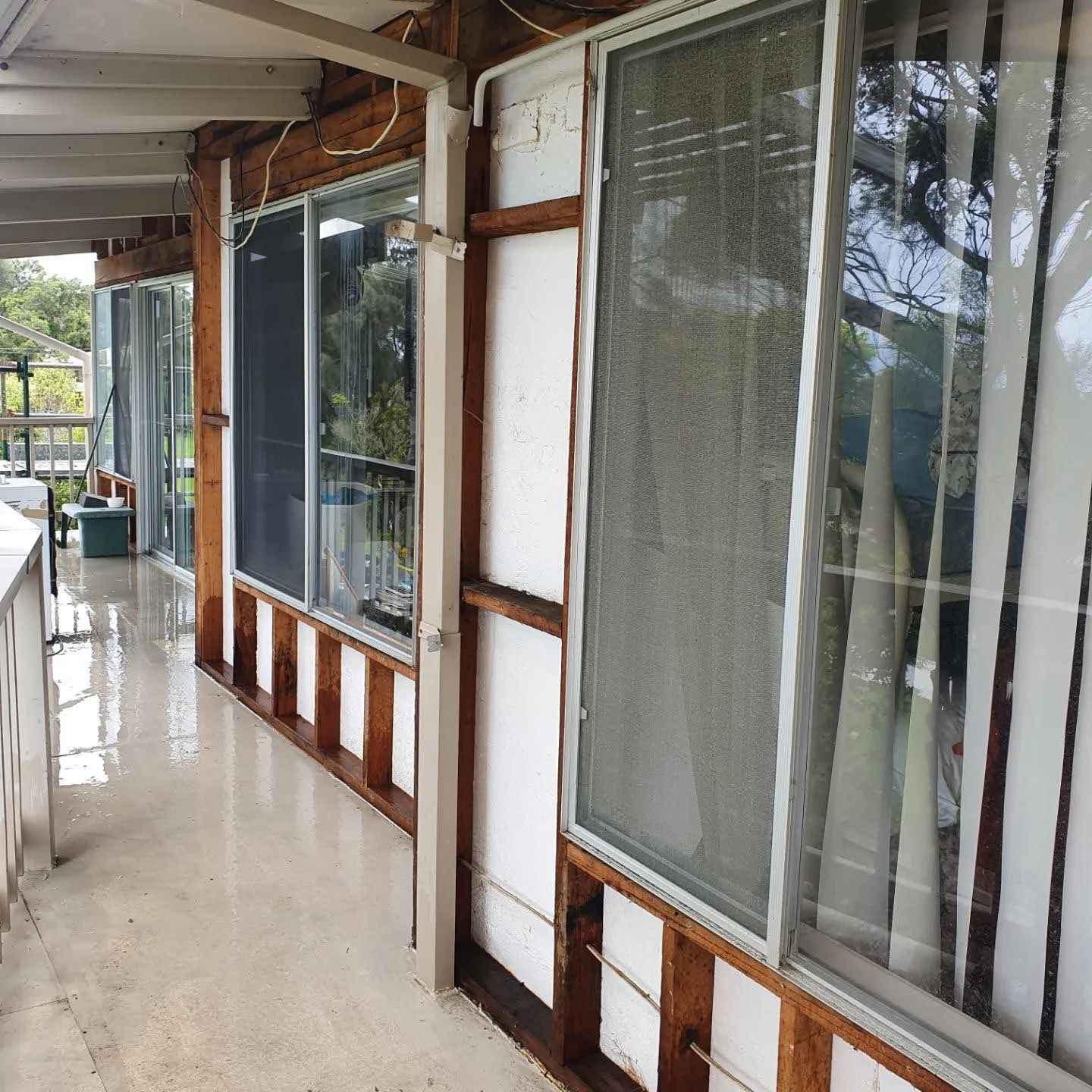
This topic is relevant for anyone who owns or manages an older property. It helps you understand hidden risks and choose the proper steps with confidence. Here’s what’s going to be exciting: what are the costs, factors, and expectations that should be considered when considering asbestos testing in Pakenham? The process is straightforward and provides helpful insights. You feel more prepared, and you know what to ask. Now, let’s examine the details that determine the overall cost and process.
Understanding the Process
This check helps you learn if older building materials contain harmful fibres. An inspector collects samples with care. These samples are then examined in a lab. You receive precise results that help guide your decisions. This provides a clearer view of what is happening inside your home. Now, let us explore what affects the overall cost.
The cost may vary depending on the property’s size and location. Larger homes need more samples. Older homes may require extra checks. You pay for both the visit and the lab work. Some sites may require follow-up testing for clarity. This helps confirm a complete picture. Now, let us turn to typical price points and what shapes them.
Typical Costs and the Factors Behind Them
Prices differ from home to home. A small space may cost less, while larger sites often require more samples. Precise results help you plan your next move with confidence. These details also help you understand the value behind the service. Now, let us take a closer look at each factor.
1. Property Size
Large homes need more checks. Each sample takes time. It also includes lab costs. Smaller flats may require fewer samples. Bigger homes often take longer. This can raise the price. Each room matters. Now, let us move to the age of the property.
2. Property Age
Older buildings often include more areas that need a careful look. Age increases the chance of older materials being present. This can add more samples. Older ceilings and floor tiles often require close attention. Time increases the cost. Now, let us look at access.
3. Access and Layout
Some areas are difficult to reach. Tight roof spaces or hidden corners require more time to inspect. More time means higher cost. Clear access lowers delays. A simple layout keeps the job smooth. Now, let us check material types.
4. Material Type
Some materials are harder to sample. They need extra care. Fragile surfaces require careful handling. Additional steps can increase the price. Simple materials need less work. Each sample type affects the total. Now, let us move to timeframes.
5. Timeframes
Fast results may cost more. Labs can offer quicker turnarounds if needed. Longer wait times usually cost less. Urgent cases require more resources. Timeframes shape the final price. Now, let us explore the whole testing process.
What to Expect During the Service
The check begins with a visual inspection. The expert looks for common risk points. Samples are then collected and sent to a lab. Results come back clearly. Your next move becomes easier to plan. Now, let us look at how to prepare for the visit.
Preparing for the visit expedites the check and clears access points for the expert. Keep pets away. Note down the areas you worry about. This helps the inspector focus faster. Once results arrive, planning becomes smoother. Now, let us look at safety tips.
Safety Tips Before and After the Check
Safety matters at every stage of the process. Older materials can release fibres when disturbed, so it is best to keep the area still and wait for guidance. Keep children and pets away from areas that appear hazardous. Let the expert handle the assessment with care. Once the results arrive, you can take your next step with confidence. Now let us explore each point in more detail.
1. Do Not Touch Suspected Areas
If a surface looks worn, cracked or unusual, do not touch it. Disturbing it can release fibres into the air. Keep the space still and avoid brushing against it. Close the door if needed. Make sure no one enters by mistake. Wait for expert advice before taking action. A calm and careful approach keeps the risk low. Now, let’s examine the concerns related to airflow.
2. Avoid Strong Airflow
Airflow can move fibres around the room. Opening windows or turning on fans might seem helpful, but it can spread particles further. Keep the space quiet and still. Avoid unnecessary movement. Let the expert decide when air circulation is safe. This simple step helps protect everyone in the home. Now, let us consider why barrier control is so important.
3. Block Off the Area
If an area appears unsafe, block it off immediately. Keep children, pets and visitors away from the space. You can close the door or place a simple barrier to mark the spot. Avoid stepping inside unless advised. Leaving the area untouched helps reduce risk. This helps maintain a calm and controlled environment. Now, let’s discuss stored items and movement.
4. Do Not Move Items
Do not place boxes, furniture, or stored belongings near a hazardous area. Movement can disturb fibres. Even dragging a chair can stir up dust. Keep everything as it is until the expert arrives. This prevents accidental spreading. Waiting for guidance helps maintain a safe environment. Now, let us move to the importance of expert advice.
5. Follow Expert Guidance
Once the expert completes the check, follow their instructions closely. They may say the material is safe to leave untouched. They may recommend removal. They will explain each option in simple terms. Ask questions if something is unclear. Their guidance helps you choose the safest plan. You can then move forward with confidence. Now, let us continue with the next part of the process.
Choosing the Right Testing Team
Selecting the right testing team simplifies the entire process. You should look for trained experts who understand local homes. They know where risks may hide. They use the right tools and explain how many samples they will collect. Transparent pricing helps you plan. Good guidance builds trust. You feel informed at every step. Now, let us move on to how proper support can help you further.
A reliable team also follows strict rules. They handle each sample with care. They work with safe methods. Their reports are clear and easy to understand. You can ask questions at any time. They also offer helpful support after testing. This makes your next steps easier. You can plan with confidence; your peace of mind matters. Now, let us explore how expert help brings even more clarity.
Your Next Step With Aussie Asbestos Solutions
Choosing Aussie Asbestos Solutions means selecting a team that supports you from the initial inspection to the outcome. We understand how delicate asbestos testing in Pakenham can feel. We provide clear and easy-to-follow advice. You can rely on us for calm guidance and genuine care throughout the process. Now, let us guide you towards your next confident step.
When you work with us, you receive patient support and real attention at every stage. We keep the process simple and steady for your peace of mind. Your safety stays at the centre of all we do. Our team helps you plan the next move after testing, so you feel informed and secure. You can trust us as you move forward with clarity.
